Liquid Nitrogen Bush Fit-Up: When Shrink Fitting Beats Pressing a Bush
Oct 26, 2026
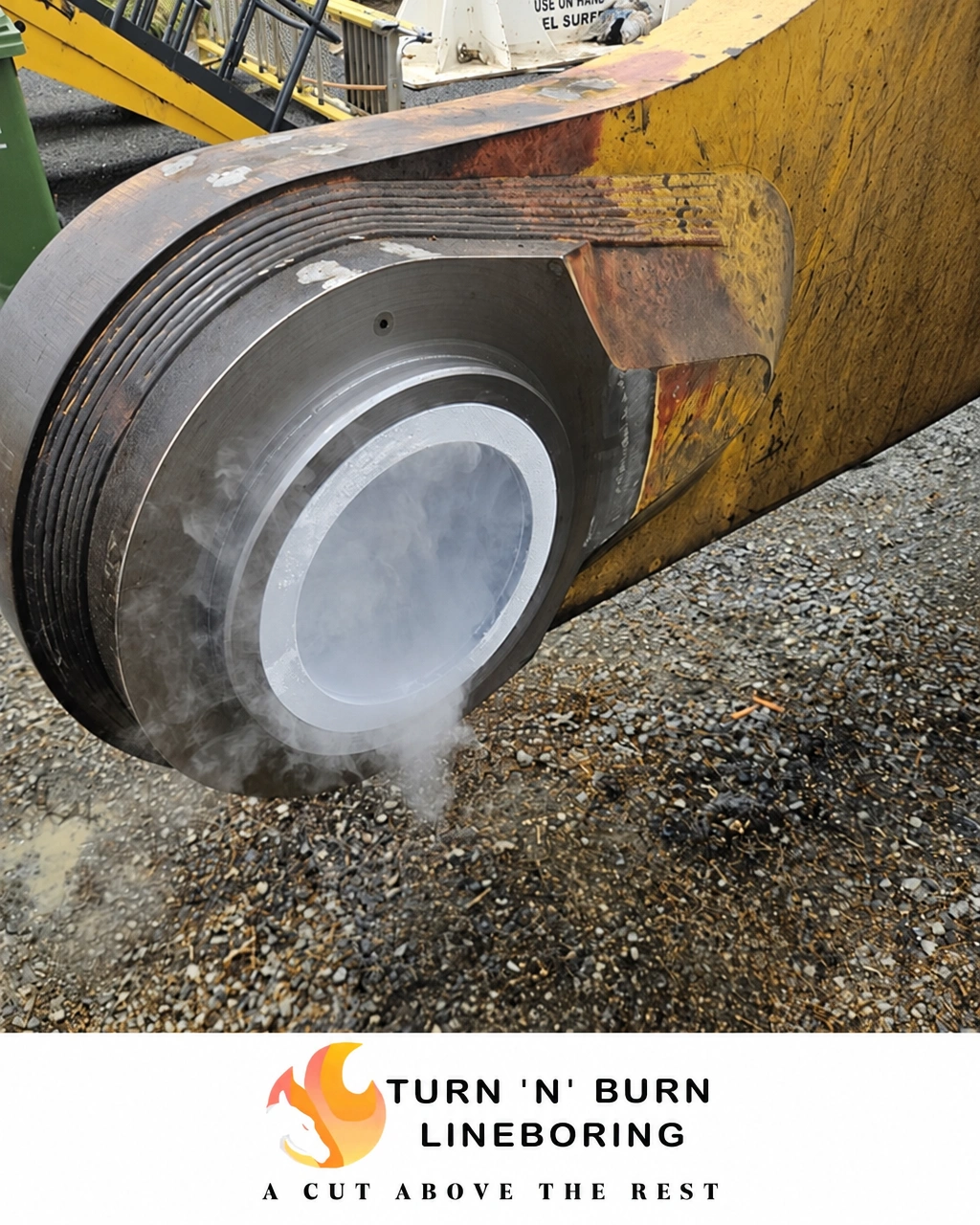
A bush that will not press in without galling the bore or shaving its own outside diameter is a bush that should be shrunk in. Liquid nitrogen is the cool side of that job.
What shrink fitting is
A bush and bore interference fit relies on the bush being slightly larger than the bore and gripping once installed. Pressing is one way in. Cooling is the other: chill the bush, its outside diameter shrinks, it drops into the bore, and it grips as it comes back to ambient temperature.
Liquid nitrogen boils at −196°C. A bush pulled from a 20°C workshop and dropped into a soak sees about 216°C of temperature drop. That is enough to make a tight interference fit go in without a press, when it is done properly.
When cooling is the right method
Shrink fitting tends to be the better option when:
the bore is large and the press force required would be unreasonable;
access is awkward and there is no room to swing a press or pull a bush through;
the fit is tight enough that pressing would gall the bore or shave the bush;
the bush is going into a bore on the machine, not into a workshop press bed;
the component cannot be removed and taken to a press.
Getting the bore right before the bush goes in
Shrink fitting hides nothing. If the bore is oval, tapered or scored, a chilled bush will go in happily and sit badly. Before the bush is cooled:
measure the bore and the bush, and confirm the interference;
linebore the bore if it is worn, so the bush seats in a true, round hole at the right diameter;
check the lead-in and chamfer so the bush can start square;
check the surface finish in the bore;
have the bush deburred and its outside diameter clean.
That is why bush fit-up usually follows lineboring rather than replacing it. Machining the bore is what gives you something worth fitting into.
Doing it on site
On a mobile job the sequence runs: remove the old bush by pressing or cutting it out, measure and prepare the bore, linebore if needed, cool the new bush in liquid nitrogen, seat it square and hold it until it grips, then check the fit and the bush position.
Two things go wrong most often. The first is a bore that is not straight or round, which no amount of cooling fixes. The second is a bush damaged on the way in, either because it went in at an angle or because the lead-in was not there to guide it. Both are setup problems, and both are avoidable.
Part of the same job
Bush and bearing removal and installation is one of the supporting services around the headline work. The same mobile setup that machines the bore supplies the liquid nitrogen, fits the bush and checks the result:
lineboring from 38mm to 900mm;
bore welding to build a worn bore back before machining;
bush and bearing installation with liquid nitrogen shrink fitting;
on-site drilling, thread repairs and broken bolt removal while the machine is apart;
More than 18 years in the trade. Mine-site-compliant truck and fully equipped trailer with a 40KVA generator, based in Calliope and mobile 24/7 across Queensland — Gladstone, Rockhampton, Biloela, the Bowen Basin, Mackay and surrounding areas.
What to send with the enquiry
bore diameter and bush size, with the interference if it is known;
the machine and the component;
whether the old bush is still in the bore or already out;
site location and access;
how urgent it is.
Send the bore size, the machine or component, the site location and how urgent the job is, and the fit-up can be planned from there.